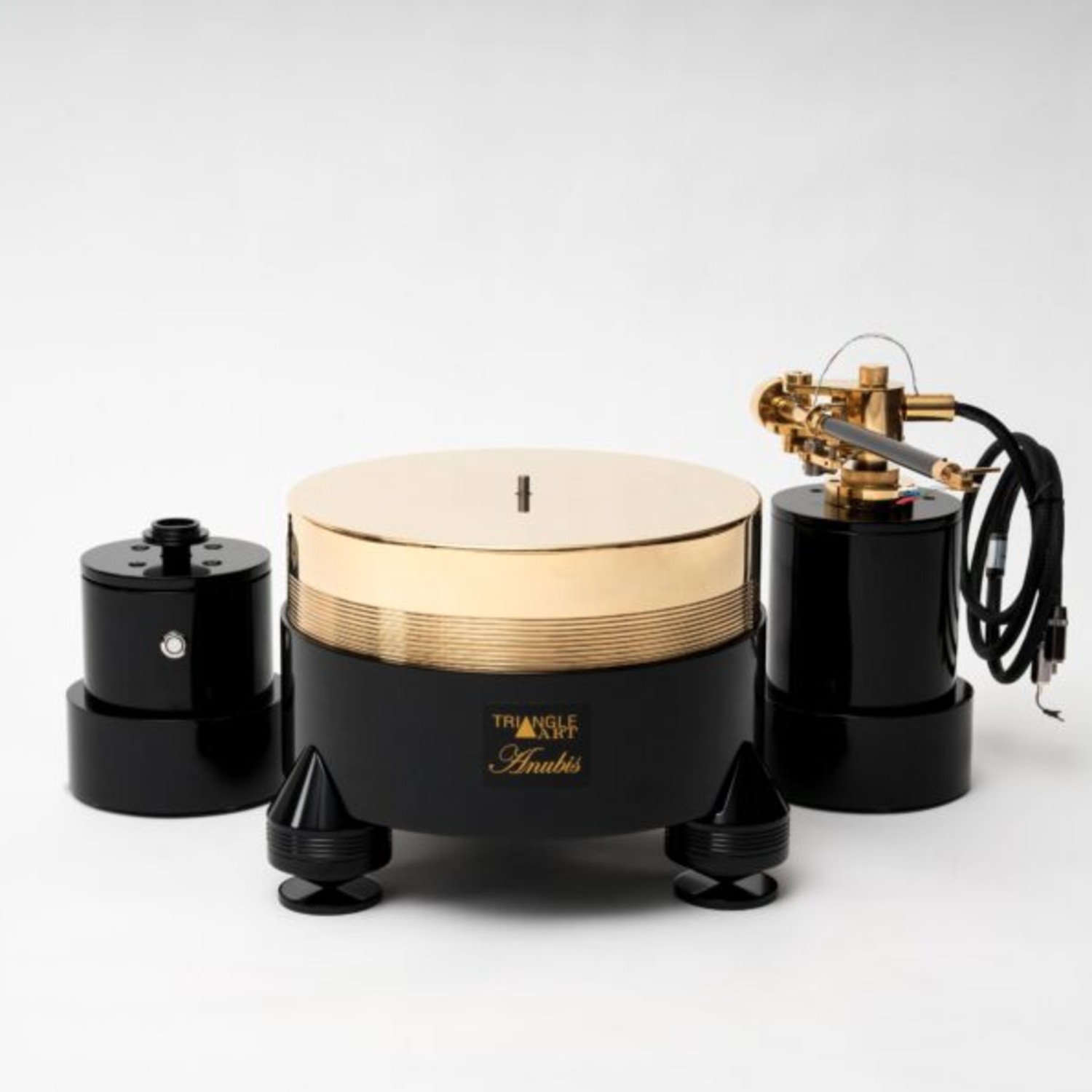
Summary – Learn how a 3-piece high-end turntable and a turntable with two tonearms setup can improve vinyl playback. This guide explains their key benefits, essential features, and how to choose a premium analog system that delivers lasting performance.
Vinyl is not just a format. It’s a ritual. And the gear you play it on shapes every part of that ritual, from the first crackle to the last note.
If you’re chasing the best 3-piece high end turntable, you already know a single-arm setup only tells half the story. A separate motor, plinth, and platter cut vibration at the source. Add a two tonearms setup turntable, and you unlock two cartridges, two sounds, and one system that never asks you to compromise.
Understanding the 3-Piece Turntable Design
Most turntables pack the motor, plinth, and platter into a single chassis. That’s fine for casual listening. But motor vibration travels. It reaches the platter. It reaches the stylus. And it colors your sound before the music even starts.
A 3-piece design splits the system apart on purpose:
- A standalone motor unit, isolated from the plinth.
- A heavy, independent plinth that resists resonance.
- A separate platter built for stable, accurate rotation.
Each part does one job well. Nothing fights for space. Nothing passes vibration down the chain. The result is a quieter background and a cleaner signal, so every groove comes through the way the artist intended.
Benefits of a Turntable with Two Tonearms Setup
One tonearm gets you one cartridge. Two tonearms open up a different world. A turntable with two tonearms setup lets you mount a 12-inch arm for long, sweeping tracking alongside a 9-inch arm built for speed and agility. Or you can dedicate one arm to mono records and the other to stereo, without swapping cartridges every time you switch records.
Here’s what a dual-arm system gives you:
- Two cartridges ready at once, no swapping required.
- The freedom to match arm length to record type.
- Separate setups for mono and stereo playback.
- More flexibility as your collection and taste grow.
- A true reference-level listening experience.
Serious collectors don’t see this as a luxury. They see it as the natural next step once a single arm starts to feel limiting.
How Do These Two Ideas Work Together?
A 3-piece chassis gives you a stable, vibration-free foundation. Two tonearms give you flexibility on top of that foundation. Put them together, and you get a turntable built for people who take their listening seriously.
Triangle Art builds turntables around exactly this philosophy. Models like the Master Reference and the Maestro pair a massive, isolated plinth with dual arm boards, so you can run a 9-inch and 12-inch tonearm side by side. Every part is machined from aerospace-grade alloy composites, chosen for one reason: to keep resonance out of your music.
Who Benefits Most from a 3-Piece, Dual-Tonearm Turntable?
Not every vinyl listener needs a dual-tonearm setup. However, for many enthusiasts, it offers practical advantages that improve both convenience and sound quality.
This type of turntable is ideal for:
- Serious vinyl collectors with growing record libraries.
- Listeners who own mono and stereo records and want dedicated cartridges for each.
- Audiophiles who enjoy experimenting with different cartridges and tonearms.
- Music lovers build a long-term reference system that can evolve over time.
- Dedicated listening rooms where premium equipment can perform at its best.
A 3-piece, dual-tonearm design is built for flexibility. Instead of changing cartridges or making frequent adjustments, you can switch between setups with ease. It saves time, protects your equipment, and makes every listening session more enjoyable.
Call Now For Best 3-Piece High End Turntable
Key Features to Compare Before Buying
Not every high-end turntable is built the same way. Before you invest, compare these details closely:
- Plinth mass and material, since weight helps absorb vibration.
- Motor isolation, so speed stays steady and quiet.
- Arm board compatibility, especially if you want two arms.
- Platter construction and bearing quality.
- Craftsmanship and finish, since these systems are built to be seen as well as heard.
A well-designed 3-piece, dual-arm turntable isn’t just about specs on paper. It’s about whether the engineering actually disappears, leaving nothing between you and the recording.
Is a Dual-Tonearm, 3-Piece Turntable Worth It?
If you already own a strong system and you’re ready for the next step, yes. This setup rewards patience and a real love of the format. You get more control over your sound, more flexibility across your record collection, and a turntable built to last for decades, not years.
It’s the kind of system you don’t upgrade every few years. You build it once, and you spend the rest of your time enjoying it.
Conclusion
Chasing the best 3-piece high end turntable means chasing quiet, stable, accurate playback. Pairing it with a turntable with two tonearms setup means never choosing between mono and stereo, or between a 9-inch and 12-inch arm, ever again.
TriangleArt has spent over 20 years in Anaheim, California, hand-building turntables around this exact idea. Every plinth, motor unit, and arm board is designed in-house, machined from aerospace alloy composites, and assembled to reduce vibration and resonance at every stage.
Ready to Build Your Reference System?
Explore TriangleArt collection of handcrafted turntables, including dual-arm-ready models like the Master Reference and Maestro. Whether you’re building your first serious analog system or adding a second tonearm to an existing one, our team can help you put together a setup that matches your listening room and your records.
Frequently Asked Questions
1. What makes a 3-piece turntable better than a single-chassis design?
Separating the motor, plinth, and platter keeps motor vibration away from the stylus, which leads to a quieter, more accurate sound.
2. Why would I want two tonearms on one turntable?
A second tonearm lets you run two cartridges at once, so you can switch between mono and stereo records, or between arm lengths, without constant setup changes.
3. Can I add a second tonearm to my current turntable?
It depends on the model. Turntables built with a second arm board, like several Triangle Art designs, make this easy. Others may not support it at all.
4. Does a heavier plinth really improve sound quality?
Yes. A heavier, well-built plinth absorbs vibration more effectively, which helps your stylus track the groove with greater accuracy.
5. Is a dual-arm, 3-piece turntable a good fit for a first high-end system?
It can be, if you’re ready to invest in a long-term setup. Many collectors start with one arm and add a second later as their needs grow.